Blog
Written from the code and the sweat — not the content mill.
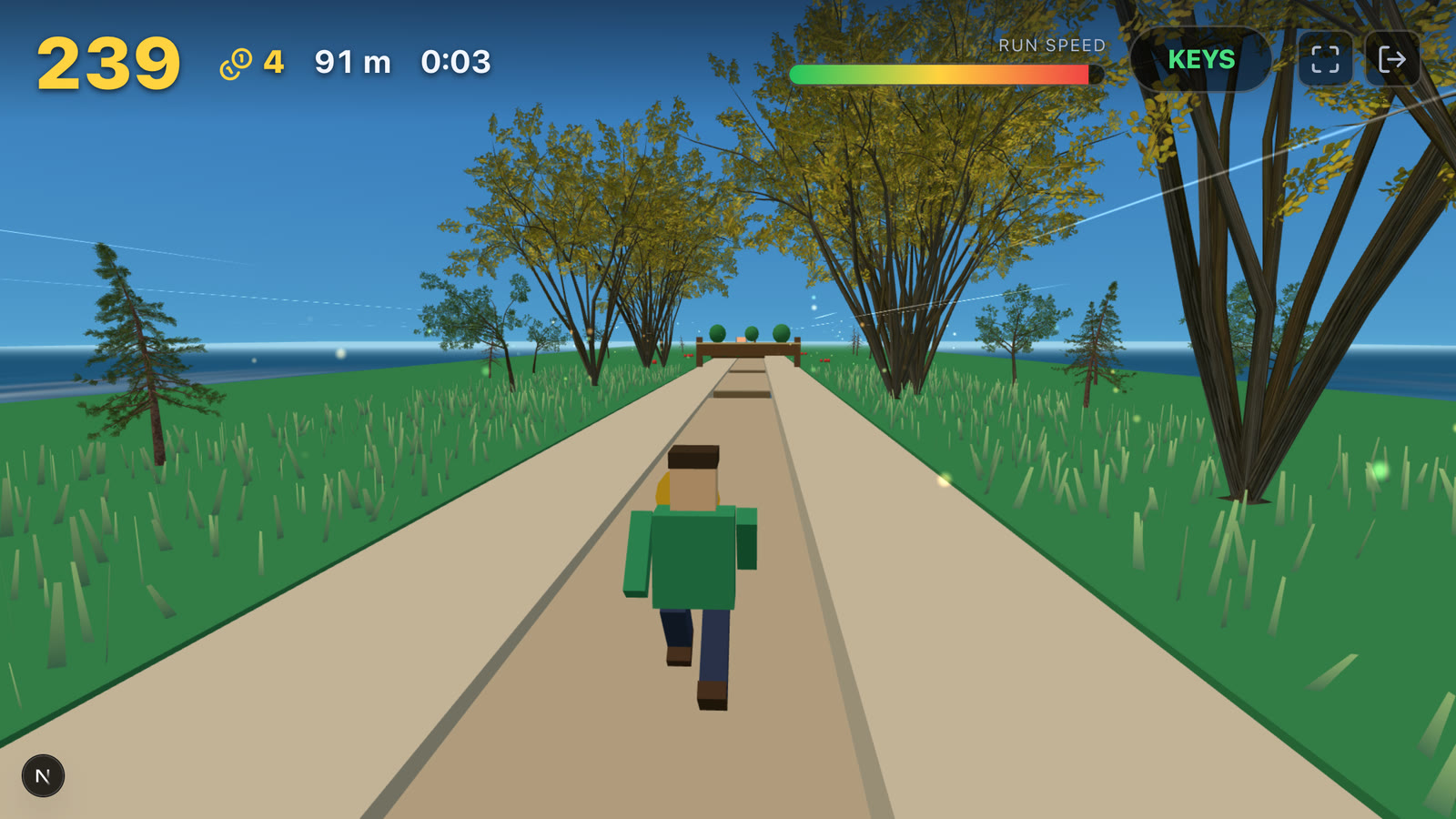
How CamPlay Tracks Your Body Without Uploading a Single Video Frame
A technical walkthrough of CamPlay’s on-device pose pipeline: MediaPipe pose landmarks in WebAssembly, what runs where, and how to verify no video leaves your browser.
Read the article
How CamPlay Detects Jumps, Ducks and Jogging From Pose Landmarks
The signal engineering behind CamPlay’s motion controls: shoulder-width normalization, adaptive references, and why jogging is detected from your arms, not your legs.

Estimating Calories From a Webcam: How CamPlay’s Tracker Works
From pose signals to kilocalories: the MET integration loop, the anti-cheat rules, and the accuracy trade-offs of estimating energy burn from camera movement alone.

Building Motion-Controlled Games for the Browser: CamPlay’s Architecture
How five webcam games share one pose engine: the input/game boundary, budgeting a 3D renderer against ML inference, and multiplayer that syncs a race with a random seed.
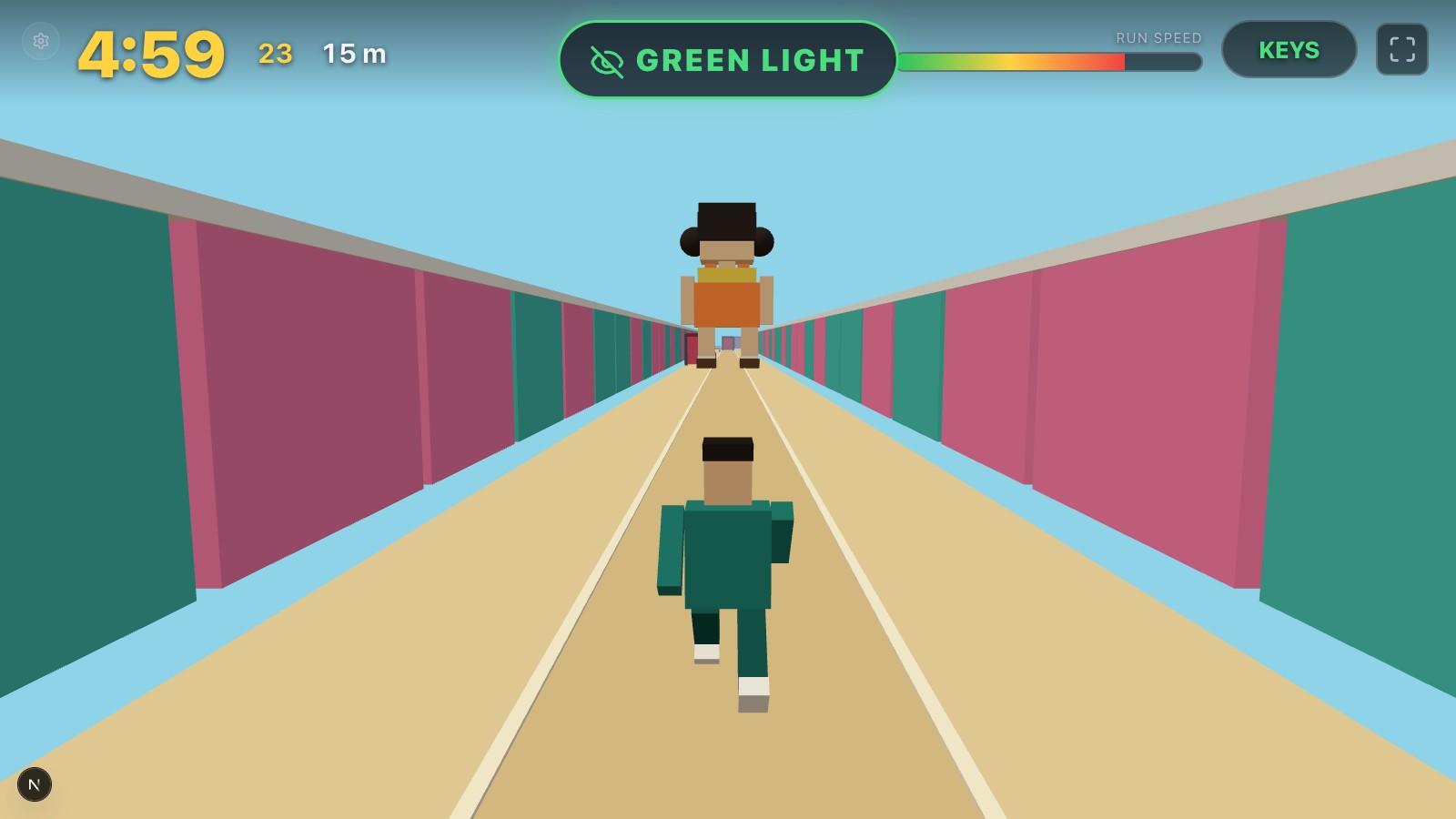
Webcam Games vs Fitness Trackers for Home Cardio: an Honest Comparison
A camera sees your whole body but not your heart rate; a wrist tracker is the opposite. Where each one actually helps a home cardio habit — from the team building the camera side.
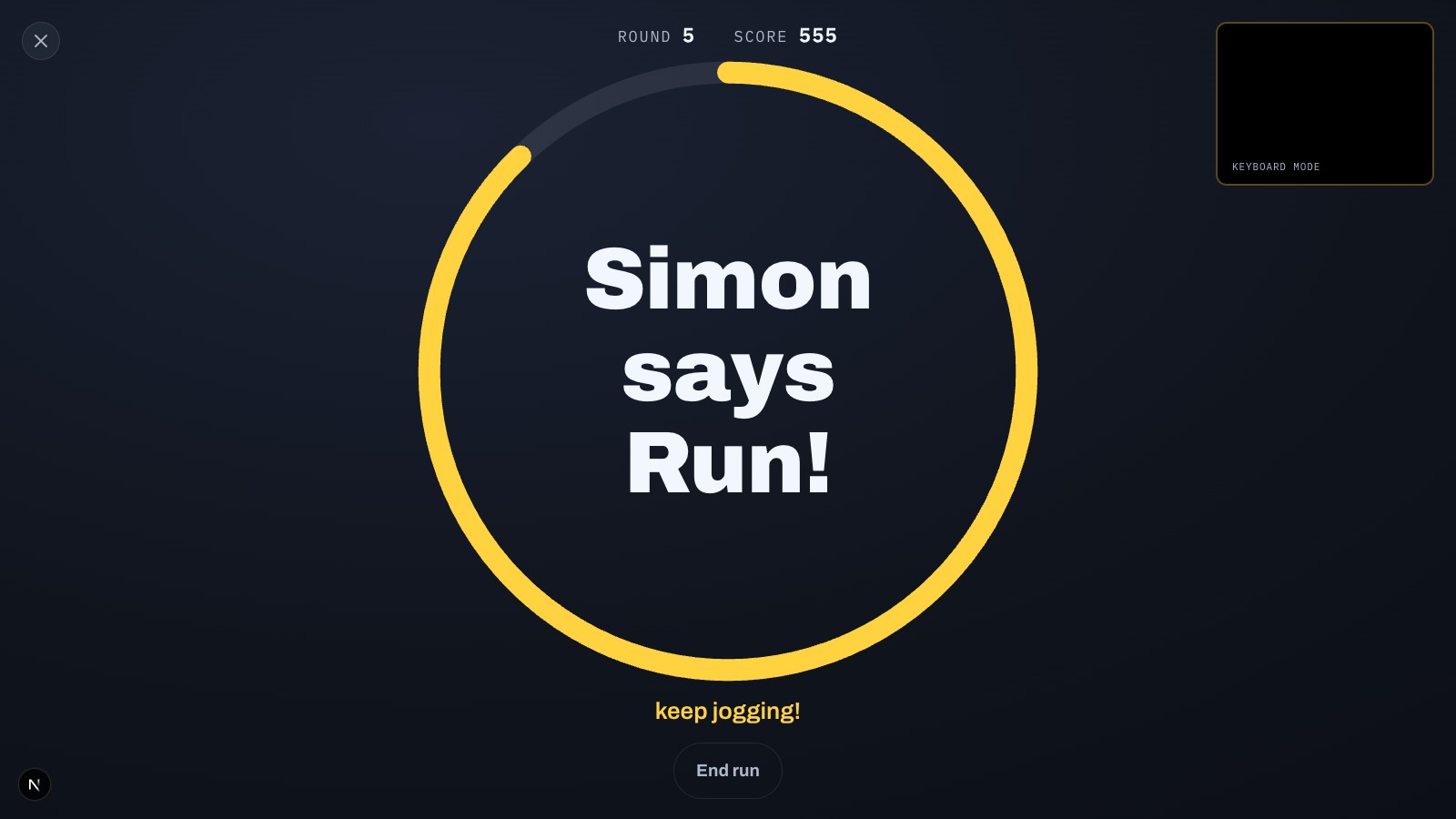
Do Active Video Games Count as Real Exercise?
What exercise science says about exergaming intensity, when a game session genuinely counts toward activity guidelines, and how to tell — measured against CamPlay’s own games.